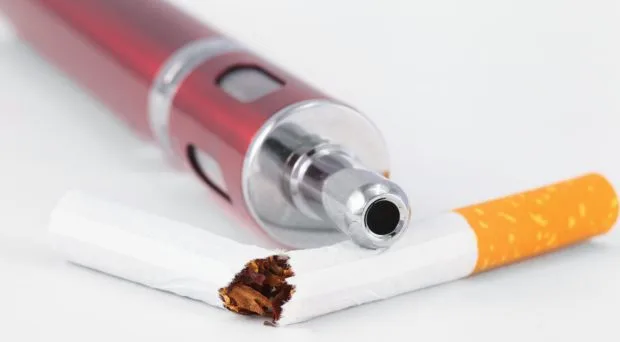
July 26, 2026 is a date that every liquid manufacturer in Indonesia should have marked on their calendar. Government Regulation No. 28 of 2024 and BPOM Regulation No. 18 of 2025 come into full effect, bringing with them the most significant overhaul of Indonesia’s e-cigarette regulatory framework in more than a decade.
Most industry discussion has focused on packaging size changes. That matters, and we will cover it. But there is a second dimension to these regulations that has received less attention with more consequential change for Vape liquid manufacturers.
This article explains what is changing, what needs to be prepared, and the concrete steps you can take now to ensure your business not only survives July 2026 but is in a stronger position after it.
What PP 28/2024 Actually Changes
PP 28/2024 is the implementing regulation for Indonesia’s Omnibus Health Law No. 17 of 2023. It replaces Government Regulation No. 109 of 2012 and brings e-cigarettes under the same regulatory framework as conventional tobacco products for the first time in a structured, enforceable way.
Key changes
The packaging size restriction is the most widely discussed change. After July 26, 2026, open-system e-cigarette liquid may only be sold in 10ml and 20ml containers. The 30ml, 60ml, and larger formats that currently dominate the Indonesian market will no longer be permitted. With less than six months remaining, manufacturers who have not yet adjusted their packaging, licensing, and distribution strategy are already behind.
The minimum purchase age has been raised to 21. The previous threshold was 18. This new standard brings Indonesia in line with stricter international frameworks and has direct implications for how products are marketed and where they can be sold.
Online sales restrictions have been introduced. PP 28/2024 prohibits the sale of tobacco products and e-cigarettes through web services, commercial electronic applications, or social media platforms without age verification. For brands that have built distribution channels through e-commerce or social media, this requires a fundamental rethink of their sales strategy.
Proximity restrictions now apply. PP 28/2024 prohibits the sale of electronic cigarettes within 200 meters of children’s educational facilities or playgrounds.
Advertising requirements have been tightened significantly. Social media advertising for vape products is now prohibited. Requirements for outdoor, print, and broadcast advertising have also been considerably tightened.
PerBPOM 18/2025: The Regulation Inside the Regulation
Issued in July 2025 with the same July 26, 2026 effective date, BPOM Regulation No. 18 of 2025 is where compliance obligations become most technical and most consequential for flavor manufacturers and liquid producers.
There are two provisions in PerBPOM 18/2025 that matter most.
The first is the ingredient disclosure requirement. For the first time, tobacco product manufacturers and distributors are required to disclose the full list of ingredients used in their products to BPOM. This includes all chemical compounds, flavorings, and other substances.
What this means in practice is straightforward. If your flavor supplier has never provided you with a technical datasheet detailing the chemical composition of their formula, you now have a regulatory obligation you may not be equipped to meet.
The second is additive safety testing. E-cigarette manufacturers are prohibited from using additives unless scientific evidence demonstrates that those additives are harmless to health. E-liquids must be tested for banned additives before they are marketed and during circulation, with cross-verification by two different laboratories.
This is not an administrative formality. It requires demonstrable, laboratory-verified evidence that every additive in your formula meets the safety standard. Without knowing what compounds are in your flavor in the first place, you cannot begin to satisfy this requirement.
What Needs to Be Prepared and in What Order
Facing several regulatory changes simultaneously can feel overwhelming. What helps is separating the obligations by type and working through them in sequence, starting with the most foundational.
The first step is understanding what is currently in your formula. Before you can meet the ingredient disclosure obligations of PerBPOM 18/2025, before you can submit a pre-market notification, and before you can verify additive safety, you need to know the complete chemical composition of every flavor you are using. This is the foundation of everything else. Without it, the subsequent steps cannot be done correctly.
The way to get this information is to request a technical datasheet from your flavor supplier. A proper document will list every compound present in the formula, the concentration at which it appears, and its regulatory status under the relevant international standards. If your supplier cannot provide this document, it is worth considering whether they are the right partner for the regulatory environment that is coming.
If documentation cannot be obtained from your supplier, the alternative route is independent GC-MS analysis of the flavor samples you are currently using. This testing separates the flavor mixture into every individual compound it contains and provides a complete picture of what is actually in your formula. The results can then serve as the basis for ingredient disclosure to BPOM.
The second step is assessing the regulatory compliance status of each identified compound. Knowing what is in your formula is only half the answer. The other half is knowing whether each compound is permitted under the applicable regulations. For the domestic market, the reference point is PerBPOM 18/2025 and the list of additives prohibited by BPOM. For export markets, the standards are different and generally stricter, with EU REACH and IFRA guidelines being the most internationally relevant frameworks.
There are several classifications worth understanding in this context. CMR stands for Carcinogenic, Mutagenic, or Reprotoxic, the system used to identify substances that may cause cancer, genetic damage, or harm to reproductive health. Category 1 means confirmed harmful in humans. Category 2 means suspected harmful based on strong scientific evidence. Under EU REACH and IFRA standards, CMR Category 2 substances are not permitted in food-grade or inhalation-grade flavor formulations at any concentration.
Testing conducted on samples from the Indonesian market has found several problematic compounds appearing repeatedly. Diphenyl oxide has been detected at concentrations between 0.2% and 0.6% within flavor concentrates and is classified as CMR Category 2 reprotoxic. Rose oxide is also classified CMR Category 2 and has been found in samples at low but non-trivial concentrations. Heliotropine, also known as piperonal, is on the IFRA restricted list and is increasingly being rejected by international buyers. Methyl salicylate carries specific restrictions for products accessible to consumers under 18 in EU markets.
The important thing to understand is that the presence of these compounds in Indonesian market samples does not necessarily mean your product is dangerous to consumers at the final use level. It means the formula contains compounds that are categorically prohibited in regulated markets, which will prevent the product from entering those markets, and which may fail the additive safety testing required by PerBPOM 18/2025.
The third step is adjusting packaging and obtaining the necessary licensing. The transition to 10ml and 20ml formats requires label redesign, re-filing of product registrations for affected SKUs, and managing existing stock of larger formats. Any change to a formula, packaging, or manufacturer also requires a new pre-market notification submission to BPOM. Ideally, packaging adjustments and any formula adjustments are handled together in a single notification cycle rather than two separate cycles that consume more time and cost.
The fourth step is building documentation for ingredient disclosure. PerBPOM 18/2025 requires full ingredient disclosure to BPOM. The documentation you need for this includes the complete chemical composition of every flavor used, laboratory test evidence for every additive, and cross-verification from two different laboratories. Building this documentation from scratch takes time. Manufacturers who start the process now will be in a significantly stronger position than those who wait until the deadline is close.
Why This Is Also About Opportunity, Not Just Compliance
There is another way to look at all of this. Stricter regulation consistently produces market consolidation. Manufacturers who cannot meet the new requirements exit the market. Those who do meet them gain a larger share of the remaining demand, plus access to customer segments that were previously out of reach.
Manufacturers with complete compliance documentation have several concrete advantages. They can supply large domestic retailers who are increasingly requiring regulatory documentation as a condition of doing business. They can respond to export inquiries that already have compliance requirements higher than those currently applicable in Indonesia. They can demonstrate to international buyers that their formulas are clean and documented
All of this starts from a single foundation: knowing what is in your formula and having the documentation to prove it.
How We Can Help
We are a flavor distributor in Indonesia working with a certified R&D laboratory in France. One of the things that distinguishes us from most flavor suppliers in this market is that we provide access to GC-MS testing and complete technical documentation as a standard part of what we offer.
FAQ
What is the single most important deadline every Indonesian liquid manufacturer needs to know about in 2026?
July 26, 2026 is the date when both PP 28/2024 and PerBPOM 18/2025 come into full effect. This is not a soft deadline or a transitional period with gradual enforcement. From that date, open-system e-liquid may only be sold in 10ml and 20ml containers, full ingredient disclosure to BPOM becomes mandatory, and additive safety testing with cross-verification from two separate laboratories is required before products can be marketed. On top of this, October 17, 2026 brings the mandatory Halal certification requirement for flavoring agents and chemical goods. Manufacturers who are not actively preparing for both of these dates right now are working with a shrinking window. The packaging transition alone requires label redesign, SKU re-registration, and stock management, and that process cannot be compressed into the final few weeks before the deadline.
What does the ingredient disclosure requirement under PerBPOM 18/2025 actually mean for a manufacturer who buys flavor from a supplier?
It means that for the first time, you are legally required to disclose to BPOM every chemical compound present in your finished product, including every substance within the flavor concentrate you are using. If your flavor supplier has only ever given you a general product description or a basic safety data sheet without a full chemical compound breakdown, you currently do not have the information you need to meet this obligation. The regulation does not distinguish between compounds you knew about and compounds you did not. The disclosure requirement covers everything that is in the product. This makes the quality of your supplier relationship and the documentation they provide directly relevant to your own legal compliance. A supplier who cannot or will not provide a full technical datasheet showing every compound and its regulatory status is a supplier who is leaving you exposed to a requirement you cannot fulfill on your own.
Are there compounds commonly found in Indonesian market flavors that could cause problems under the new regulations?
Yes, and this is something manufacturers need to understand before they submit any documentation to BPOM rather than after. GC-MS testing of flavor samples from the Indonesian market has found several compounds that carry problematic regulatory classifications. Diphenyl oxide has been detected at concentrations between 0.2% and 0.6% within flavor concentrates and is classified as CMR Category 2 reprotoxic under EU REACH standards, meaning it is not permitted in food-grade or inhalation-grade flavor formulations at any concentration. Rose oxide carries the same CMR Category 2 classification. Heliotropine, also known as piperonal, is on the IFRA restricted list and faces increasing rejection from international buyers. The presence of these compounds does not automatically mean your finished product is dangerous to consumers at the final diluted level. What it does mean is that your formula contains substances that are categorically prohibited in regulated markets, and which are likely to fail the additive safety scrutiny that PerBPOM 18/2025 now mandates domestically.
A manufacturer who wants to be compliant by July 2026 and also export to international markets. Where should they start?
The starting point is the same for both objectives: know what is in your formula. Every other step, whether it is BPOM ingredient disclosure, Halal certification, additive safety testing, or export market approval, requires this as its foundation. The practical first step is requesting a full technical datasheet from your flavor supplier covering every compound present and its regulatory status under EU REACH and IFRA standards. If that document is not available from your supplier, independent GC-MS analysis of your current flavor samples is the alternative route to the same information. Once you know what is in your formula, you can assess which products are already compliant, which require reformulation, and which suppliers are genuinely equipped to support the documentation requirements you now face. Reformulation takes time, re-registration takes time, and Halal certification takes time. The manufacturers who start this process in the first half of 2026 will complete it before the deadlines. Those who start in June will not.